Midwinter in the Garden

Can you believe it’s already midwinter? New México has been showered with some much-needed moisture this year, and boy, are we grateful for it! We got a light dusting of snow, about three inches, a few days back – which is quite a treat for us. Even though spring might seem like it’s ages away with these cool (okay, let’s admit it, cold) temperatures, trust me, it’s just around the corner! In fact, we are going to have a few temperatures in the sixties this coming week.

And speaking of spring, guess what? Our garden is already stirring from its winter slumber! Spring bulbs like daffodils, hyacinths, and tulips are already poking their heads out of the ground. My hellebores are getting ready to bloom, and some other folks’ are already in full bloom! Even the roses are starting to sprout new growth on their stems. Pretty soon, our fruit trees will be showing off their beautiful blossoms too!

In the meantime, let’s not forget about our evergreen plants that are adding a pop of green to our winter wonderland. The palms including windmill palms (Trachycarpus fortunei and Trachycarpus wagneriana), needle palm (Rhapidophyllum hystrix), and Mt. Atlas form of the Mediterranean fan palm (Chamaerops humilis var. cerifera) not only add a tropical vibe in the summer – they’re making our winter garden look good too! Some good shrubs with evergreen foliage include Indian hawthorn (Rhaphiolepis indica), Japanese laurel (Aucuba japonica), Japanese aralia (Fatsia japonica), and loquat (Eriobotrya japonica) – they’re standing out like stars in our winter garden!

Japanese Aralia
Windmill Palm (T. fortunei)
Mediterranean Fan Palm in the foreground, Loquat in background
Windmill Palm (T. wagneriana)

Now, here’s a little tip from me – I leave the old stems of perennial plants standing tall throughout the winter. Why? Well, not only do they add a little something-something to the garden’s aesthetics, but they also provide seeds for our feathered friends and shelter for those insects braving the cold. And guess what time it is now? Yup, it’s time to tidy up the garden and get it all prepped for that spring growth we’re eagerly anticipating. I love experimenting with borderline plants, using mulch and other tricks to protect them from the winter chill. It’s like a little game of survival, and it’s always exciting to see who made it through the cold snaps and frosts!

Oh, and speaking of prep work – it’s also time to get those seedlings started! Whether it’s ornamentals or veggies, now’s the time to get those green thumbs working. We’ve set up a small greenhouse to keep our tropical plants cozy until it’s warm enough for them to venture outside. I can’t wait to start some vibrant annuals like Mexican sunflowers and nasturtiums – they’re gonna add such a pop of color to our summer garden!

Have you checked out those nursery and seed catalogs lately? It’s like flipping through a treasure trove of possibilities! I’m already dreaming about all the new plants I’ll be trying out this year. So, what about you? What are your plans for planting in the Year of the Dragon? Let’s make it a green and glorious one, folks! 

Floral Elegance, Calla Lilies

Calla lilies (Zantedeschia spp.) are renowned for their exquisite beauty and elegance, making them a popular choice among gardeners and florists alike. Originating from South Africa, these graceful flowers have found their way into gardens and floral arrangements around the world. Although they are called calla lilies, they are not true lilies or even closely related. They are a type of aroid.

Growing calla lilies can be a rewarding experience for both novice and seasoned gardeners, as their vibrant colors and unique shapes add a touch of sophistication to any landscape. The first calla lily I grew was a yellow calla lily that I bought at a big box store. It has grown bigger each year, both in leaves and flowers. 

Yellow Calla Lilies in My Garden

Numerous cultivars are available, each with its own distinct colors, sizes, and shapes. The Calla Lily comes in multiple sizes and colors, including white, yellow, purple, pink, red, and black. Some popular varieties include the classic white ‘White Giant,’ the vibrant pink ‘Pink Mist,’ and the striking black ‘Black Magic.’ Consider factors such as local climate, soil conditions, and the intended use of the flowers when selecting the perfect variety for your garden. Calla lilies are useful in many landscape types including tropical-style gardens where their large leaves and colorful flowers shine. I have two of the white ‘Zantedeschia aethiopica,’ which can grow quite large to over 5 feet tall!

White Calla Lily in My Garden

Calla lilies thrive in well-draining, rich soil with a slightly acidic to neutral pH. Choose a location with partial shade to protect the delicate blooms from intense sunlight. Plant the rhizomes, which resemble bulbs, approximately 2 to 4 inches deep and about 12 to 18 inches apart. Ensure that the growing area provides good air circulation to prevent fungal diseases.

Proper watering is essential for the health of calla lilies. Keep the soil consistently moist, especially during the growing season and flowering period. However, it’s crucial to avoid waterlogged conditions, as calla lilies are susceptible to rot. Mulching around the plants helps retain moisture and regulates soil temperature.

Fertilize calla lilies regularly during the growing season, using a balanced, water-soluble fertilizer. Begin feeding when the shoots emerge and continue every 4-6 weeks until the end of the flowering period. Be cautious not to over-fertilize, as excessive nutrients can lead to lush foliage but fewer flowers.

In USDA Hardiness Zones below Zone 7, calla lilies are typically grown as tender perennials or treated as annuals. If you want to overwinter them, lift the rhizomes after the first frost, allow them to dry for a day or two, and then store them in a cool, dry place until the next planting season. A heavy mulch of shredded bark in the fall after a freeze has killed the foliage will help with overwintering in colder areas.

Calla lilies are used in art and floral arrangements as symbols of purity, sympathy, beauty, rebirth, and union. As such, they are appropriate for any occasion, whether it’s a sophisticated wedding bouquet or sincere condolences. Mexican artist, Diego Rivera used them in his paintings as symbols of the abundance of life and death in Mexico. The flowers are often depicted in images of indigenous peasant women and girls.

Growing calla lilies add a touch of sophistication and grace to any garden or floral arrangement. With the right care and attention to their specific needs, these exquisite flowers will reward you with stunning blooms throughout the growing season. Whether you’re a seasoned gardener or a novice enthusiast, cultivating calla lilies is a delightful journey that brings elegance and beauty to your outdoor space.

Coba: Mayan Ruins in the Jungle

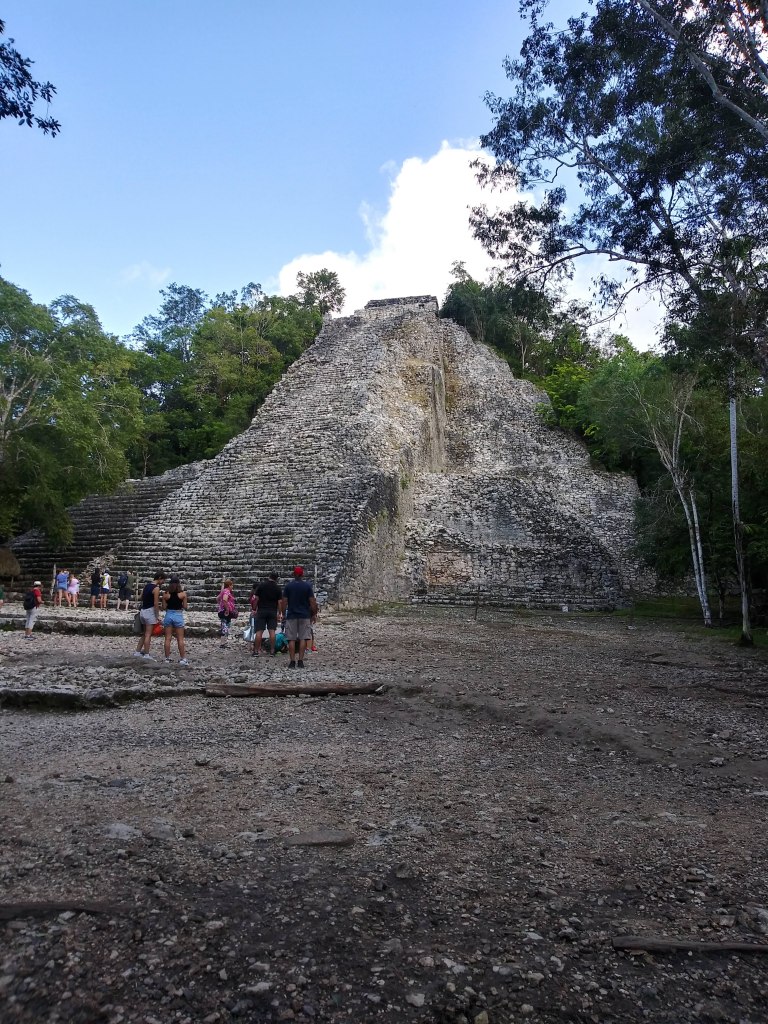
If you are staying along the Riviera Maya in México such as in Playa del Carmen or Tulum, the ruins of Coba are nearby and easily accessible. While other Mayan sites such as Chichen Itza and Tulum are certainly worth visiting, unlike those places the ruins of Coba are not nearly as crowded. 

Set in the jungle, the ruins of Coba have a different feeling compared to the other sites. Here, the ruins have only been partially excavated and restored giving Coba the feeling of discovery. Coba means ‘waters stirred by the wind’ or ‘ruffled waters’ as the Mayan city is located on two lagoons; the Coba Lagoon, which can be seen as you drive up to the ruins entrance and Macamxoc Lagoon, which we were unable to see as the jungle hid it. These two lagoons were the key to the success of Coba as they provided water for irrigation and agriculture and surrounding villages.

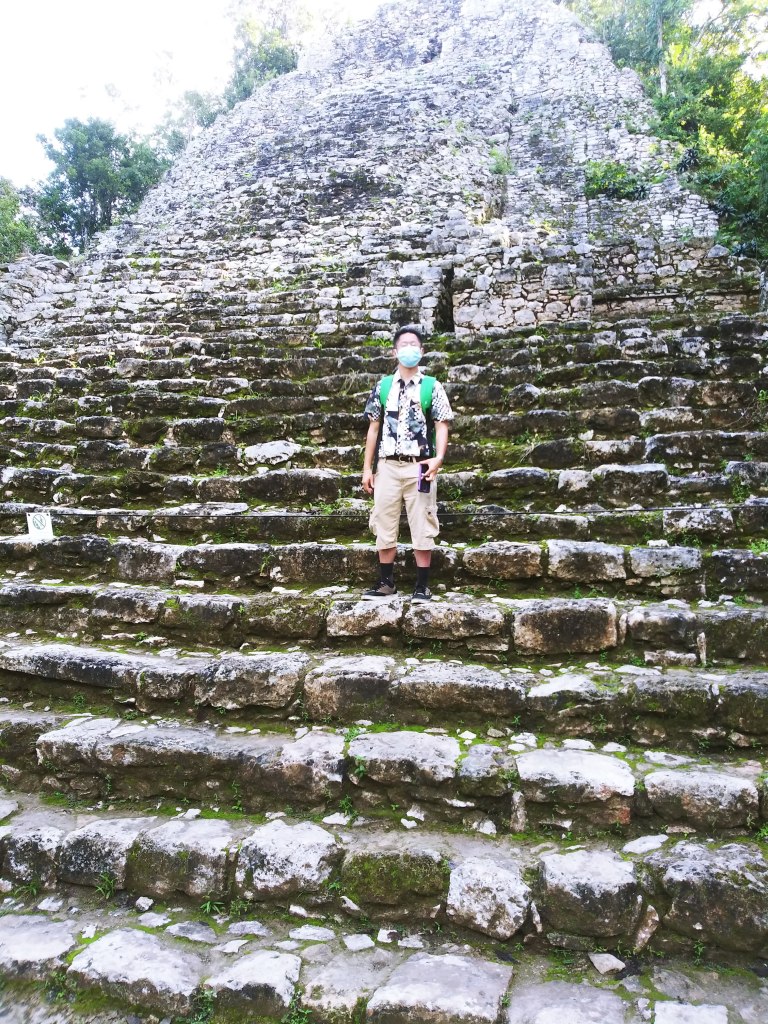
The largest pyramid at Coba is called Ixmoja, part of the Nohoch Mul group of buildings. The pyramid is 42 meters (138 feet) tall and was the heart of the city.

At its height from 600 AD to 900 AD, it is estimated that Coba had an astounding 50,000 residents. Coba traded extensively with other Mayan areas as far away as Honduras. There is evidence that they borrowed architectural ideas from as far away as the Aztec site of Teotihuacan in Central México. Sometime around 900 or 1000 AD, Coba began a lengthy power struggle with Chichén Itzá. In the end, Chichen Itza won in this dispute and became the Yucatan’s power.

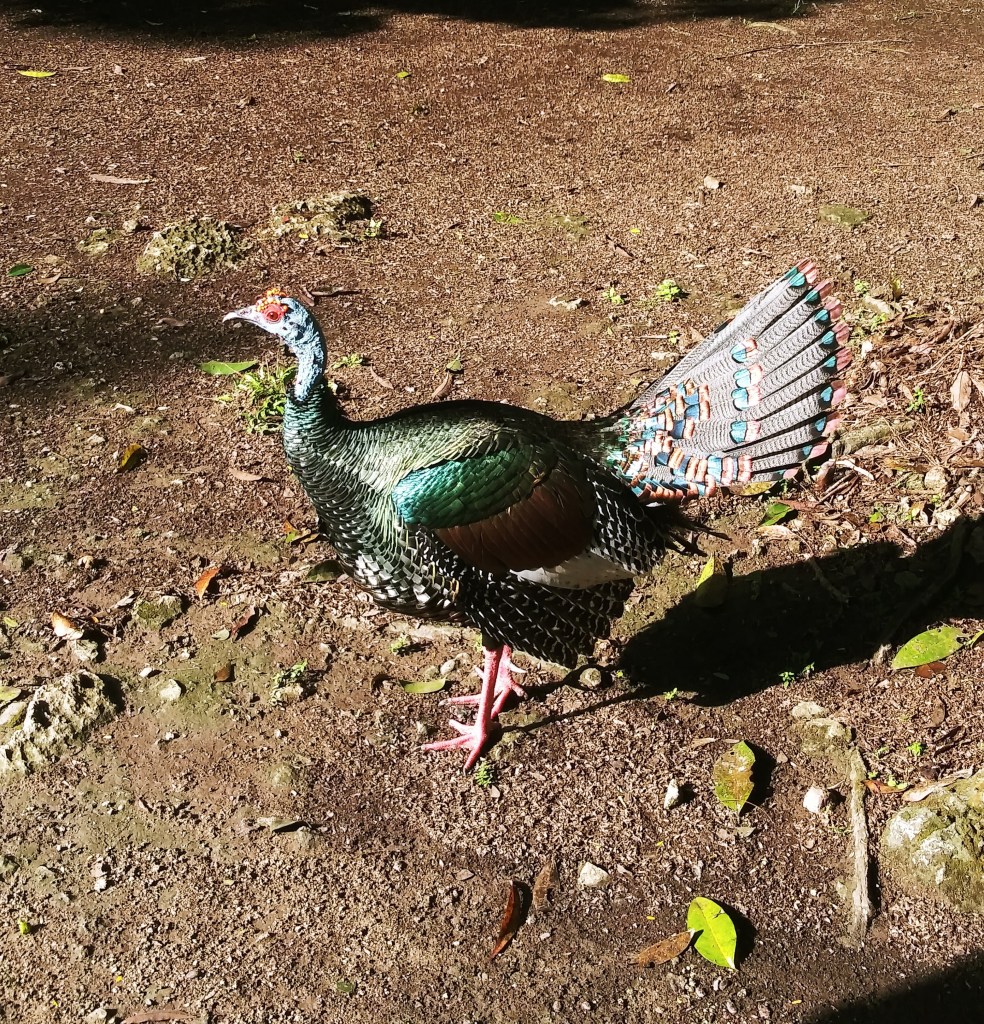
We were fortunate to be greeted by a beautiful Ocellated Turkey. The turkey was not shy despite all the tourists surrounding it taking pictures. 

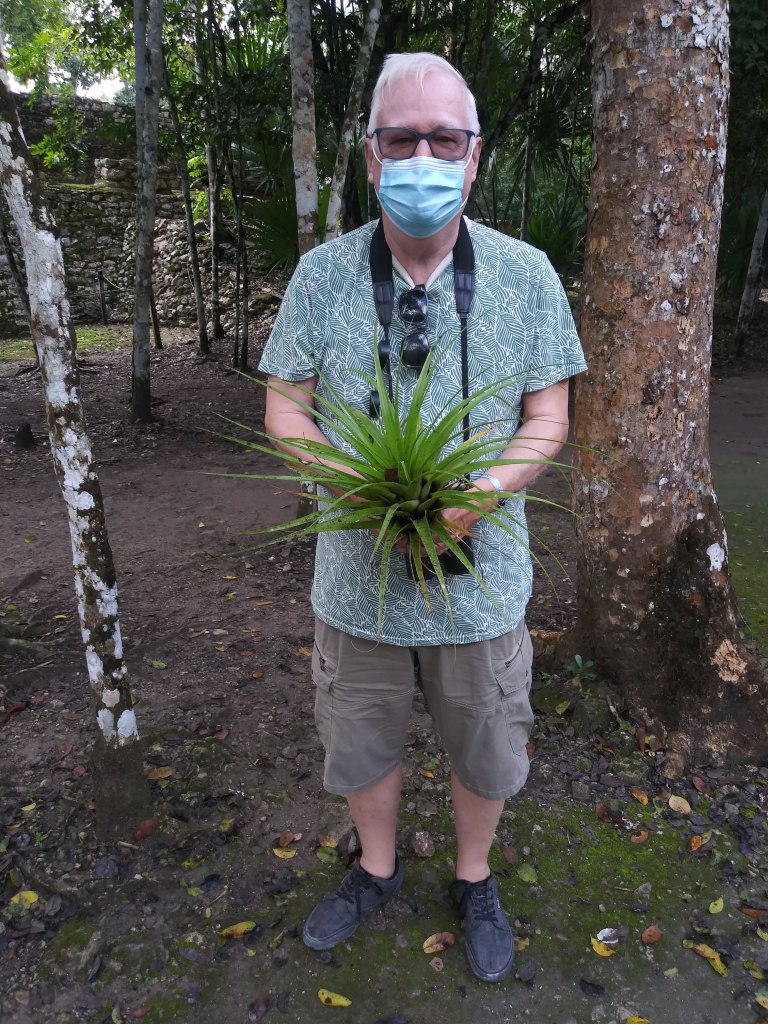
In addition to the ruins, I was fascinated by the flora. There were all sorts of bromeliads growing in the trees, especially tillandsias.

Your’s truly holding a fallen bromeliad.

We went on a tour, which was the easiest way to get there and I would recommend doing it. My only complaint would be that I would have liked to have more time to explore the area. Coba is definitely worth visiting!

Hellebores: Winter Jewels of the Garden

Native to Europe and Asia, hellebores, also known as Lenten Roses or Christmas Roses, are captivating perennial plants that bring a touch of elegance to winter gardens. With their exquisite flowers and evergreen foliage, hellebores have become increasingly popular among gardeners looking to add color and interest to their landscapes during the colder months. 

Hellebores belong to the genus Helleborus and encompass a diverse group of species and hybrids. These hardy plants are known for their ability to bloom in late winter and early spring when few other plants dare to show their colors. Hellebore flowers come in many colors, including white, pink, purple, yellow, green, metallic blue, slate, maroon, near-black, and apricot. 

Hellebore flowers are cup-shaped with five petals. They are often toothed and have attractive veining or spots on the inside of the petals. 

The leaves are palmate (like a palm) and stay evergreen, adding more interest to the flowers through the colder months. I like to use these in my tropical-style garden as the foliage looks like it could be a plant from a warmer climate. Hellebores are suited for shady 

There are various hellebore species and hybrids available, each with its unique characteristics. Common types include Helleborus orientalis (Oriental Hellebore), Helleborus niger (Christmas Rose), and Helleborus foetidus (Stinking Hellebore). When selecting hellebores for your garden, consider factors such as flower color, bloom time, and foliage. Additionally, ensure that the chosen variety is well-suited to your climate and soil conditions.

Hellebores are typically low-maintenance and adaptable, making them an excellent choice for both novice and experienced gardeners. They prefer partial to full shade and well-draining soil. Plant hellebores in an area with dappled sunlight, as too much direct sunlight can scorch their leaves. Mine are planted under a couple of large mulberry trees where they are in shade much of the year. The leaves are palmate (like a palm) and stay evergreen, adding more interest to the flowers through the colder months. I like to use these in my tropical-style garden as the foliage looks like it could be a plant from a warmer climate. 

Although hellebores prefer soil that is rich in organic matter and slightly acidic, hellebores will do fine in neutral to slightly alkaline soils. When planting, maintain a spacing of about 18 to 24 inches between each plant. Planting in the fall provides the plants with ample time to establish their roots before winter.

While hellebores are relatively drought-tolerant once established, consistent moisture is crucial during their initial growth period. Water the plants regularly, especially during dry spells. Mulching around the base of the plants helps retain soil moisture and suppress weeds. Remove spent flowers to encourage continuous blooming and prevent self-seeding.

Hellebores generally require minimal pruning. Remove any damaged or yellowing leaves in late winter or early spring to promote a tidy appearance. Every few years, consider dividing mature hellebore clumps to rejuvenate the plants and prevent overcrowding. Division is best done in the fall or early spring.

Hellebores are relatively resistant to pests and diseases, making them a low-maintenance addition to the garden. However, occasional issues such as aphids or leaf spot may arise. Inspect your plants regularly and address any problems promptly with environmentally friendly pest control methods.

Growing hellebores can add a touch of enchantment to your winter garden, providing vibrant colors when most plants are dormant. With their resilience and captivating beauty, these perennials are a valuable asset to any garden enthusiast. By understanding their preferences and following proper care guidelines, you can enjoy the exquisite charm of hellebores year after year.

Understanding USDA Hardiness Zones

Recently, the United States Department of Agriculture (USDA) updated its USDA Hardiness Zone Map. Let’s take a look at just what they mean by a hardiness zone and how we can use it in our gardens.

When it comes to successful gardening, understanding your USDA Hardiness Zone is a crucial first step. The USDA Hardiness Zone Map is a valuable tool that helps gardeners determine which plants are most likely to thrive in their specific geographical location. In this article, we will explore what USDA Hardiness Zones are, how they are determined, and why they are useful in planning a successful garden.

What are USDA Hardiness Zones? USDA Hardiness Zones are geographic regions in the United States that are classified based on the average annual minimum winter temperature. The map divides the country into zones, each representing a specific temperature range. These zones help gardeners choose plants that can withstand the lowest temperatures in their area, ensuring the plant’s chances of survival and thriving.

How are USDA Hardiness Zones Determined? The USDA Hardiness Zone Map is updated approximately every ten years to reflect changes in climate patterns. The zones are determined by analyzing temperature data collected over a specific period, usually 30 years. The map is divided into 10-degree Fahrenheit increments, with each zone representing a range of temperatures. For example, Zone 5 includes areas with minimum temperatures between -20°F to -10°F.

Why are USDA Hardiness Zones Important?

1. Plant Selection:

One of the primary reasons for understanding your USDA Hardiness Zone is to make informed decisions about which plants to include in your garden. Different plants have specific temperature requirements for optimal growth, and choosing plants suited to your zone increases the likelihood of a thriving garden.

2. Frost Dates:

USDA Hardiness Zones also play a crucial role in determining the average frost dates for your region. Knowing the last expected frost date in spring and the first expected frost date in fall helps gardeners plan their planting schedules, ensuring plants are not exposed to damaging low temperatures.

3. Climate Adaptation:

As climate conditions change, being aware of your USDA Hardiness Zone allows gardeners to adapt and make informed choices about which plants are best suited to their evolving climate. This adaptability is essential for sustainable and successful gardening practices.

4. Plant Health:

Plants that are well-suited to their USDA Hardiness Zone are more likely to thrive and resist diseases and pests. By selecting plants that are naturally acclimated to the local climate, gardeners can promote overall plant health and reduce the need for excessive maintenance.

5. Zone Pushing

My garden is located in Albuquerque, New México, which is identified as USDA Hardiness Zone 7b. It is on the borderline with USDA Hardiness Zone 8a. Knowing this, if I take some precautions to protect a plant, I have been successful in growing plants that are hardy in Zone 8a such as calla lilies, cannas, and some bananas. For most of these plants, a heavy layer of mulch such as shredded bark is enough protection to bring them through the winter. For some of the bananas, I build cages around them and pack them with straw to protect them. Also, using microclimates helps bring others through a cold winter. 

By understanding your USDA Hardiness Zones and the temperature ranges specific to your region, you can choose plants that are more likely to flourish, plan your garden effectively, and adapt to changing climate conditions. Whether you’re a novice gardener or an experienced horticulturist, using the USDA Hardiness Zone Map is helpful in cultivating a vibrant and resilient garden.

May Endings and June Beginnings in the Garden

I didn’t get to post a May update as I was busy getting ready for our trip to Ecuador. So much has happened in the garden in the last month, and a lot is happening now. The hedgehog cacti and others bloomed during May, and now the prickly pears and chollas are blooming. Unfortunately, I missed many of the cactus flowers while traveling in Ecuador. Of course, it was worth missing them for the trip. So many incredible tropical plants in Ecuador from trees covered with bromeliads in the cloud forest to all kinds of aroids and palms in the Amazon to giant prickly pear trees and ceroid cacti in the Galapagos.

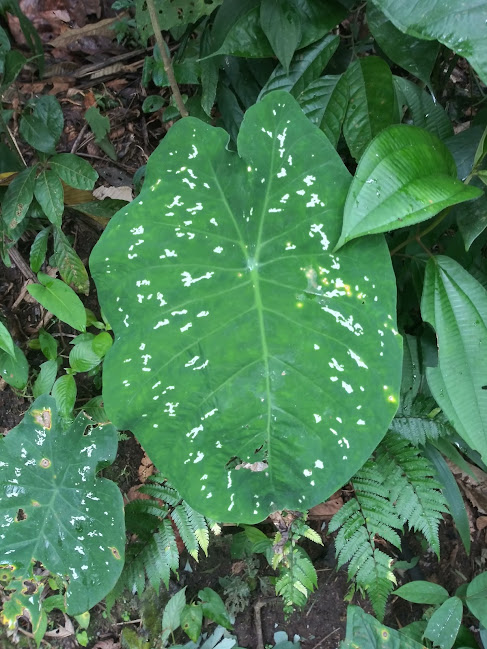
An unknown but beautiful aroid in the Amazon jungle.

Spring arrived late. We are still having cool temperatures for this time of year. We also had some rainy days in May, which is usually one of our driest months. As a result, some heat-loving plants including gingers, lantanas, pineapple lilies, and others are just now emerging. Cool-loving plants including abutilons and ferns have been enjoying the cooler, wetter temperatures.

Many plants are in bloom now as follows: roses, abutilons, calla lilies, anisacanthus, fox-tail lilies, salvias, pine-leaf penstemons, chocolate flower, cota, ground orchids, and horsetail milkweed. The cannas, elephant ears, hardy hibiscus, Japanese aralia, loquat, Brazilian elegant ruellia, Turk’s cap, dahlias, and tractor plant, are among the many plants that are in the early stage of their seasonal growth.

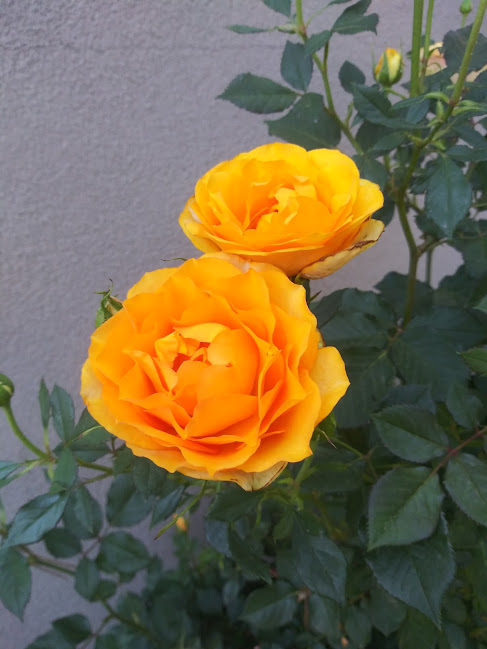
Unknown variety of yellow rose

Some plants have yet to reappear. I get anxious when I don’t see new growth on a plant. Mexican petunia (ruellia) has not begun its growth. I’ve had one for several years and started two new ones from cuttings last year. I’m surprised it’s not up yet as the Brazilian elegant ruellia is up and growing. I thought it would be more tender than the Mexican ruellia. None of the curcumas (a genus of gingers) are up. I’ve tried one before with no luck and it appears they are not going to be hardy here. You don’t know until you try.

Earlier this year, I pruned off many large branches on our mulberry trees to allow more sunlight to penetrate to the plants underneath. There is still a fair amount of shade and as a result, I am planting more shade-tolerant plants. This year I am adding Japanese toad lilies, astilbes, peace lilies, and red abutilons under the trees.

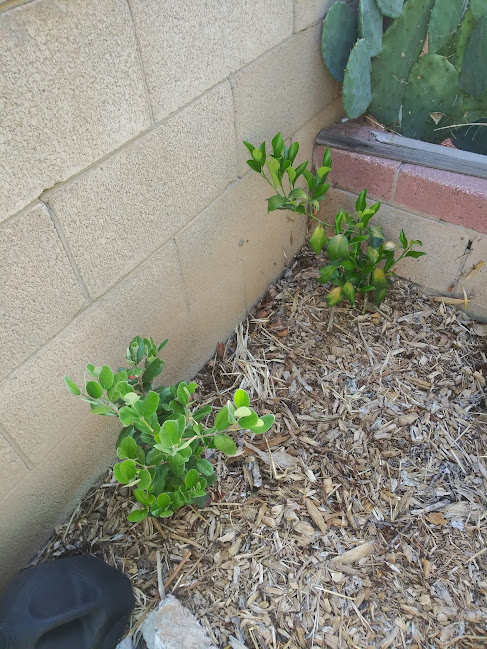
Last year, I planted two pineapple guavas and a Thomasville citrange as an experiment. I covered them during cold spells with large, 15-gallon nursery cans. They suffered minor damage, mainly on the newer foliage, but all of them looked good coming out of the winter. They are growing nicely now. The guavas look great. The citrange looks okay, but some of the older leaves are showing sun damage. It didn’t do much last year until the end of summer and into the fall. I’m hoping it will adjust to the sun and put on a lot of new growth again later in the summer.

Pineapple guava on the bottom left and Thomasville citrange at the top

That’s a quick update. I have a lot of new plants to put in the garden so I better go outside and get to work!

April in the Garden 2023

I hope this doesn’t become an April Fool’s Day joke, but I plan on writing a garden update on the first day of each month starting now. While the garden has gotten off to a slow start due to the weather this year, when I looked around a surprising number of things are going on already.

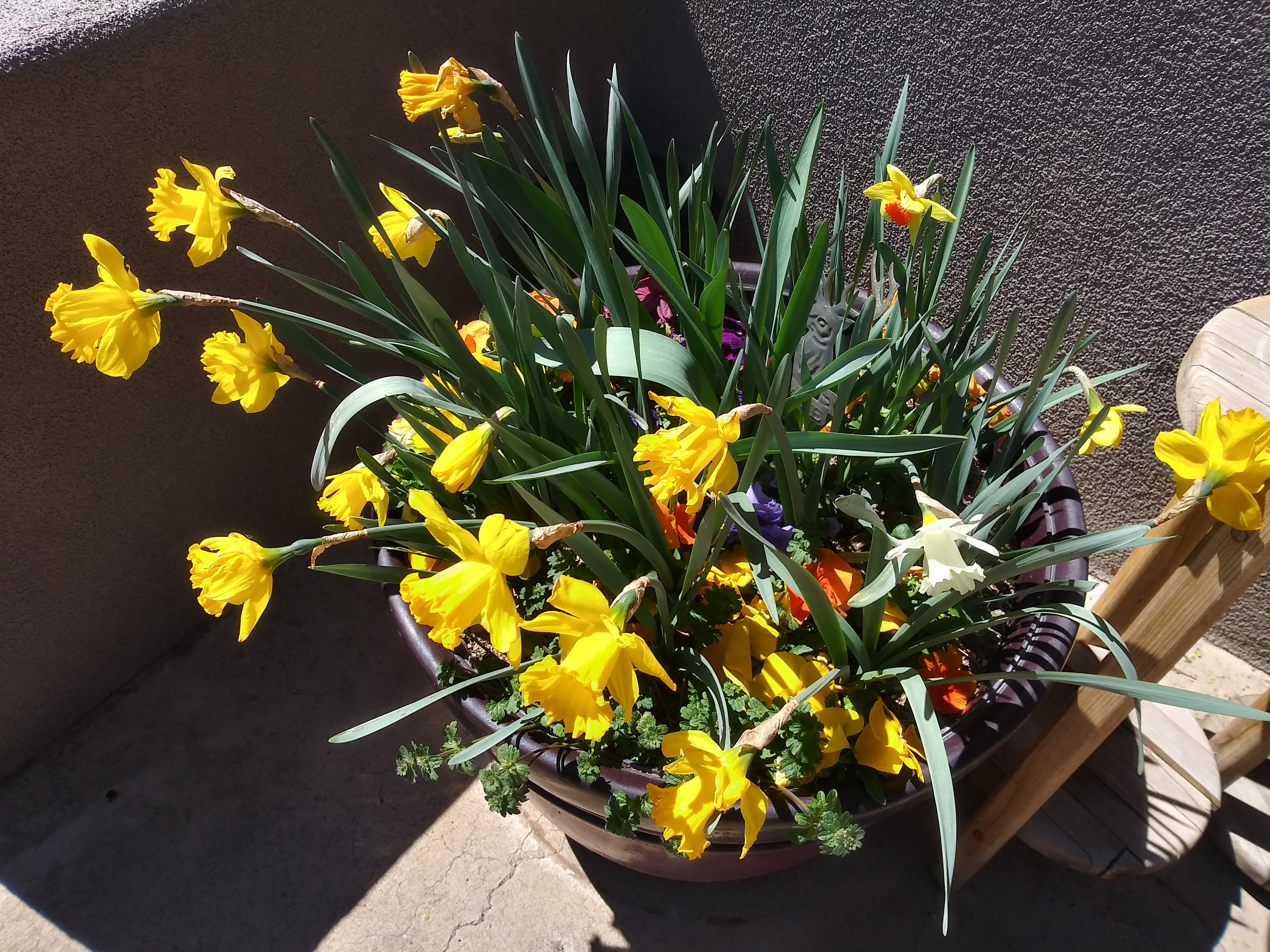
Certainly, the spring bulbs are the stars of the show right now. In the front of the house on the patio, I have planted a large planter with pansies, daffodils, ornamental alliums, and canna Picasso. The pansies and daffodils are in full bloom, the alliums are up and growing, and the cannas are still dormant. I bought a bag of mixed daffodils at a big box store; however, the majority are your typical large yellow forms, pretty but a bit disappointing. Out of blank bulbs, only two are not yellow. One is a bicolor with an orange cup and yellow petals and the other is pure white. You never know with bulbs planted in the fall as to what they will look like until the spring.

Other bulbs planted around the property are up and doing their thing. Depending upon where they were planted, various daffodils are just coming into bud in shady areas to full bloom in sunny areas, and many in between. It’s a good way to see what are the colder areas in your garden. The hyacinths are in full bloom and beginning to finish up. One of my childhood favorites, the grape hyacinths (Muscari species) are up and blooming. I love their tiny little clusters of deep blue flowers. Several tulips including one patch that came with the property are just now coming into bud. Various allium species are up and beginning to form flower buds. They are a real show stopper in between the time the earlier spring bulbs are finished and the summer flowering plants have begun flowering.

Perennials are just beginning to awaken after a long winter’s sleep. Many of the true sages (Salvia species) are breaking dormancy and putting out new leaves. This includes several forms of autumn sage (Salvia greggii) in the front garden and Vermillion Bluffs Mexican sage (Salvia darcyi) in the back garden that are putting out new leaves. 

The cannas are up and growing despite being burned back by frost. This always happens with them and our weather, warm days followed by bitterly cold weather. Similarly, I was worried about my white calla lily (Zantedeschia aethiopica) but it is up and growing and seems to be doing fine despite the cold temperatures.

Other plants in the back garden including Coral penstemon (Penstemon superbus) and sunset penstemon (Penstemon clutei) are putting on an abundance of growth. Two forms of Siberian bugloss (Brunnera macrophylla), Alexander’s giant and Jack Frost, are up and growing. These two are shade lovers and have done well in the garden where hostas have not. Alongside them, comfrey is up and growing. This herb has big leaves that lend themselves to the tropical-style garden I am developing under the shade of two large mulberry trees. 

Other perennials that are up and growing are several different types of foxtail lilies (Eremurus species). I had good success with the relatively short  Eremurus x isabellinus ‘Pinokkio’, so last fall I planted larger yellow and red forms of foxtail lilies. I’m anxious to see what they look like this year. Even the blooms of Pinokkio were quite tall so I’m excited about the taller forms when and if they bloom this year.

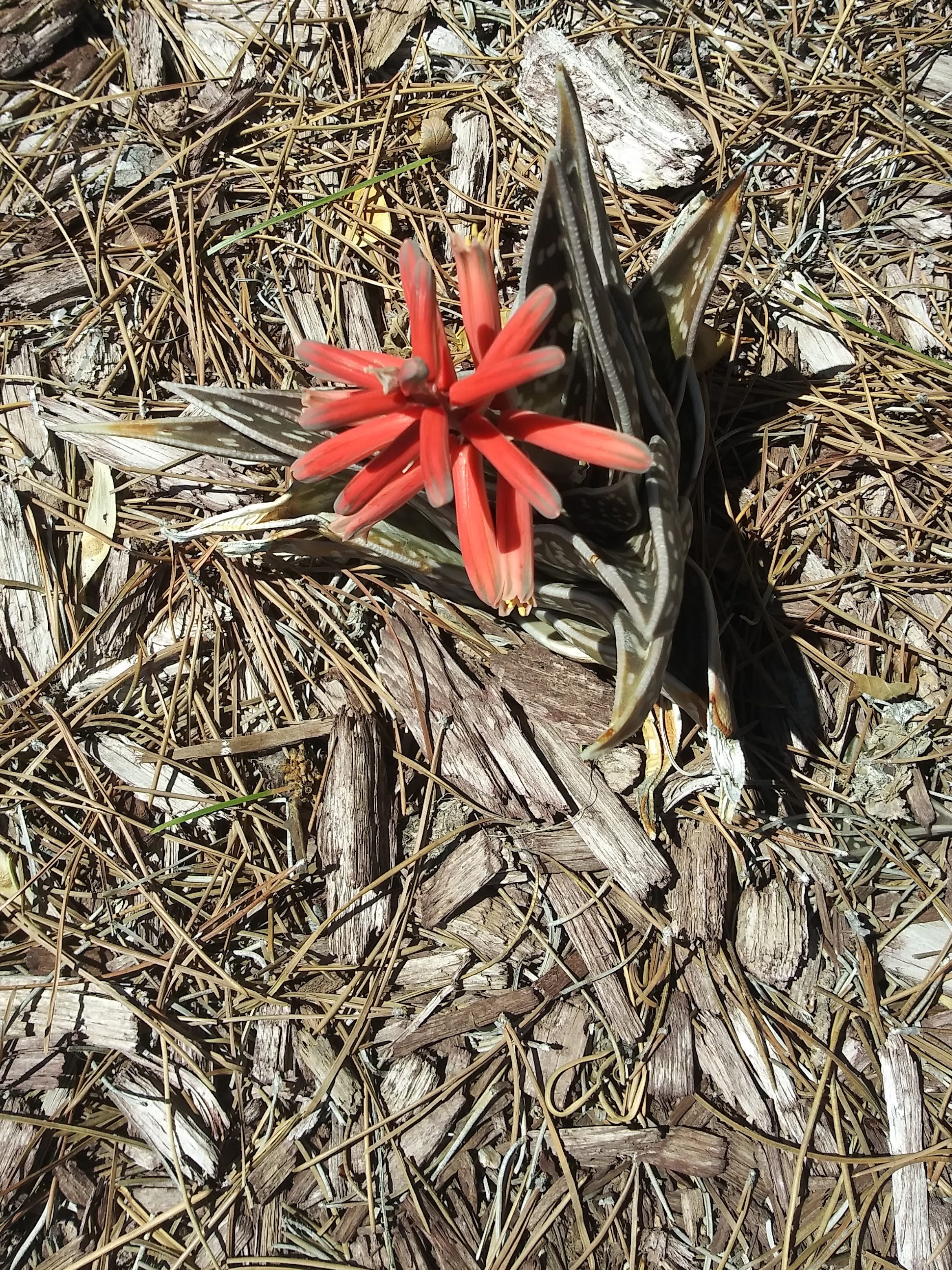
While aloes are generally not hardy here, I have three species that have done well for me for several years. The partridge breast aloe (Aloe variegata) is beginning to bloom already. The lace aloe (Aloe aristata) and the grass aloe (not sure of the species) are just waking up. 

Partridge Breast Aloe

Last but not least, the various fruit trees are leafing out and/or producing lower buds. The red Bartlet pear did something unusual that is puzzling to me. It has leafed out but produced no flowers. It appears that it was going to have an extensive bloom, but the flowers never materialized. Perhaps the frosts of late winter and early spring did them in. The dwarf nectarine was in full bloom in March and was also hit by frost and probably will not produce fruit this year. It was disappointing last year as it had abundant fruit but the taste was awful. It was very disappointing after waiting several years for it to produce fruit. The European plum and apple trees also appear to be leafing out with no flowers this year. Again, I’m not sure why but I think it has been the up-and-down temperatures we have had this spring. We’ll see. 

The pomegranate had begun to leaf out, but the last frost appears to have nipped the newly emerging leaves. I’m sure it will come back, but we are not out of the woods yet with frost. Hopefully, the hard frosts are over with, however. 

That’s a quick look at what’s happening in the garden. As I said in the beginning, I plan on making this a monthly happening. It’s a record for both you and me. 

About Time…

I’m probably the world’s worst blogger. I have good intentions (I know, the road to hell…) but I’m easily distracted by all of the wonderful things out there to do like take a nap. I hope to get better at this and post more often. 

2022 was an interesting year. The biggest thing that happened to me is that I married my wonderful partner Huy in May. That was followed by a honeymoon to Waikiki in Hawaii. We had a great time there including visits to a Japanese-style Buddhist temple, the Foster Botanical Garden, Chinatown, the Wahiawa Botanical Garden, and the highlight of the trip, a submarine ride under the sea. 

The garden had mixed results this year with some old standbys doing well and others just not growing. I’m not sure why some did not perform as well this year, especially my elephant ears with the exception of the oldest one, the regular taro Colocasia esculenta, which outdid itself.

We took a couple of shorter trips including one to Tucson, Arizona over the Thanksgiving holiday and another during the Christmas holiday to Palm Springs, California to escape the colder weather of Albuquerque. 

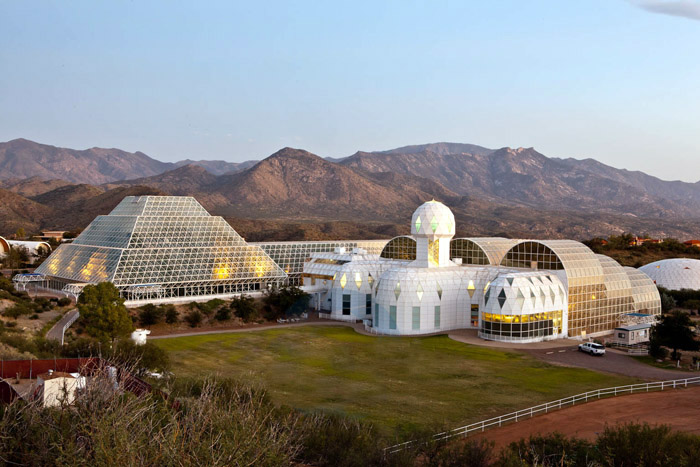
Tucson was rather chilly but still warm in the mid-60s Fahrenheit. We enjoyed going to Biosphere 2. “Biosphere 2 is an American Earth system science research facility located in Oracle, Arizona. Its mission is to serve as a center for research, outreach, teaching, and lifelong learning about Earth, its living systems, and its place in the universe (Wikipedia).” We thoroughly enjoyed the experience and highly recommend it.

Photograph by John de Dios

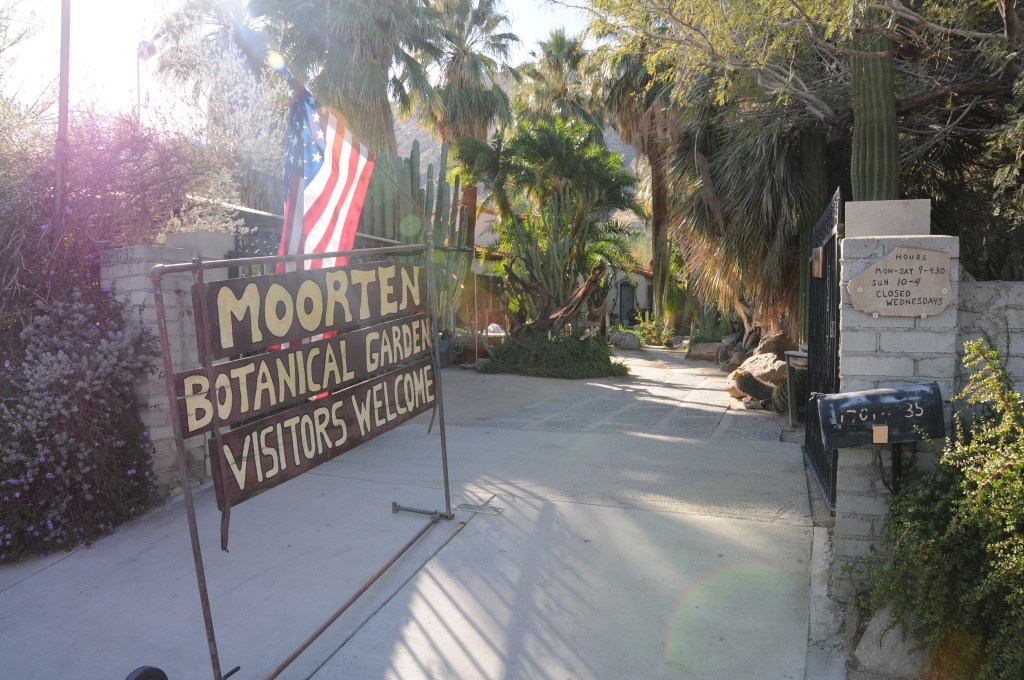
In Palm Springs we toured the Moorten Botanical Garden and Cactarium. It is a one-acre family-owned garden specializing in cacti and other desert plants. The Moorten Gardens were established as a nursery in 1939 by Patricia and Chester “Cactus Slim” Moorten and developed into the present-day garden in 1955. While it is small, it manages to house over 3,000 plants. They have a small nursery and gift shop that was fun and inexpensive, considering prices in Palm Springs!

Since then, we have been at home where the weather has been cold and surprisingly wet for us. As I write this in March, it snowed this morning. Old Man Winter hasn’t wanted to give up this year. Despite the unusually cool weather, the spring flowers such as daffodils, hyacinths, and others are in full bloom right now. 

Hopefully, you are enjoying spring wherever you are. It is always a nice awakening in nature for those of us who live in a seasonal climate. I’m looking forward to warmer weather soon as I know it will come. Just seems to be taking its good old time. I’m also looking forward to a May trip to Ecuador that will include a few days in the Amazon basin and a few days in the Galapagos Islands among other places. 

Winter Beach Vacation at the Grand Sirenis Riviera Maya Resort in Mexico

I finally got up the courage (with Covid still causing problems) to fly out of the country for a vacation just before Christmas. Having been to the Riviera Maya on México’s Yucatan coast, we thought it would be a relatively easy trip. We were wrong. 

I haven’t traveled around the Christmas holiday in years. The big mistake was thinking it wouldn’t be busy if we traveled before the Christmas-New Year week. We flew from Albuquerque to Houston to Cancun. Another mistake I made was not checking the flight schedule. We had about ½ an hour to make our connection. Of course, we had to travel from one terminal to another to make matters worse. We ran through the airport and just made it in time. Lesson learned. I’ll never do that again!

We arrived in Cancun only to find hundreds, if not thousands, of people trying to make it through immigration. Because the lines were longer than the entry area that was roped off, people were just trying to find a way in including us. After a few hours, we finally made it through and out of the airport. After a couple of hours on the highway, we made it to our destination, the Grand Sirenis Riviera Maya resort.

We arrived tired and hungry as we had very little to eat during the day only to find out that the only restaurant available to us was the buffet, which didn’t open until 6:30 PM. Needless to say, when we finally got to the buffet, we ate our fill!

Breakfast at the buffet

The resort grounds are beautiful and the pools are very nice. We especially enjoyed the lazy river pool, which is like a stream that winds through and around some jungle vegetation as well as some other parts of the resort. The other pool we liked was called the relaxing pool because it was basically a quiet pool surrounded by vegetation. It had a wonderful juice bar close by where we enjoyed getting very healthy smoothies. 

One of the hotel complexes and one of the pools

Our favorite swimming place; however, was definitely the beach. The reason I chose Grand Sirenis Riviera Maya in the first place was the access to a private cove in the Caribbean Sea and the snorkeling right off the beach. We were glad we took our own snorkels for a couple of reasons. For one, snorkeling equipment is available at the resort but you can only use them for an hour at a time. Two, we had full-face covering snorkels, which made breathing easier and they didn’t leak due to the tight seal of the mask. The cove is quite nice with rock outcrops in the water that attracts a wider variety of fish. While I don’t know most of them, I am able to identify some of them: Sergeant Majors, Blue Tang, and Butterfly Fish. This was indeed, my favorite thing about the resort. The staff is out raking up the seagrass that washes in each morning and they keep the beach area clean. In fact, the whole resort is very well maintained.

The Caribean Coast at the Resort
Snorkeling around the rocks in the cove was very rewarding with lots of colorful fish
There is a large stretch of beach on the resort grounds away from the crowds that is practically unknown

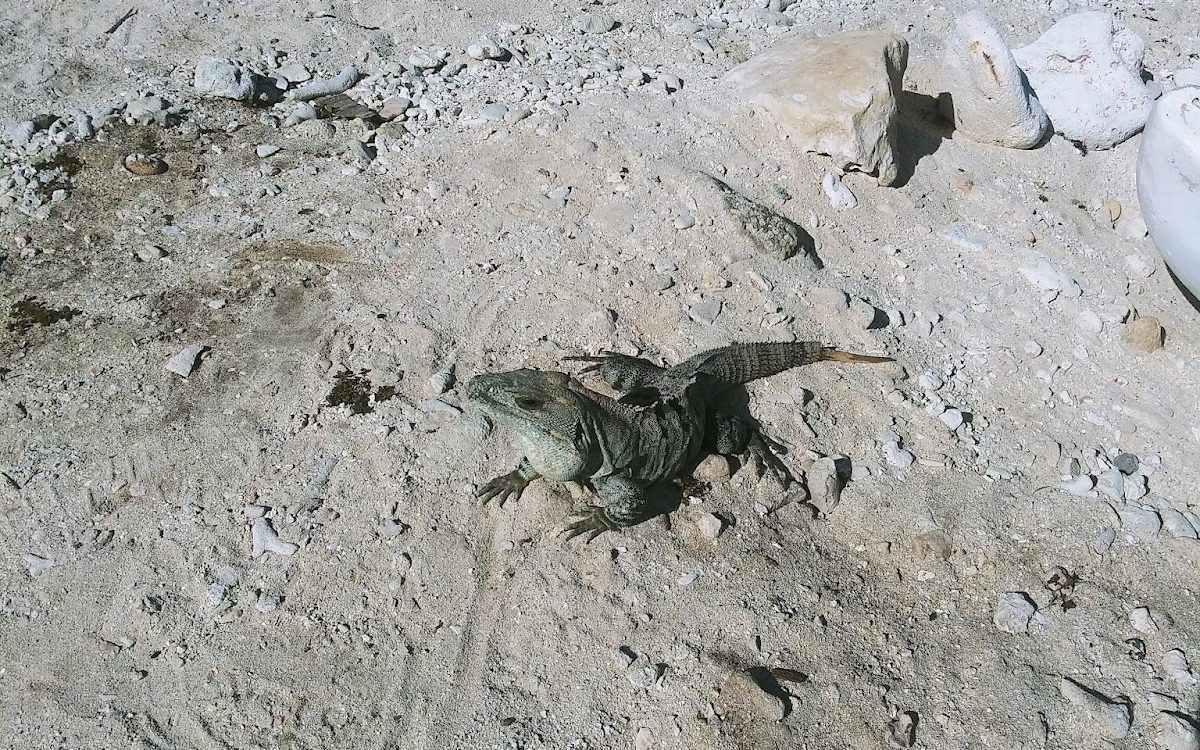
The resort has kept large patches of native vegetation in various areas of the resort. The hotel rooms encircle small ones of the jungle. What was fun about that was seeing chachalacas and other birds, agoutis, coatis, and rock iguanas in these and other places in the resort. It seemed iguanas were everywhere. 

One of the resort paths through the jungle vegetation
The jungle vegetation is very pretty and interesting
Rock Iguanas were everywhere at the resort

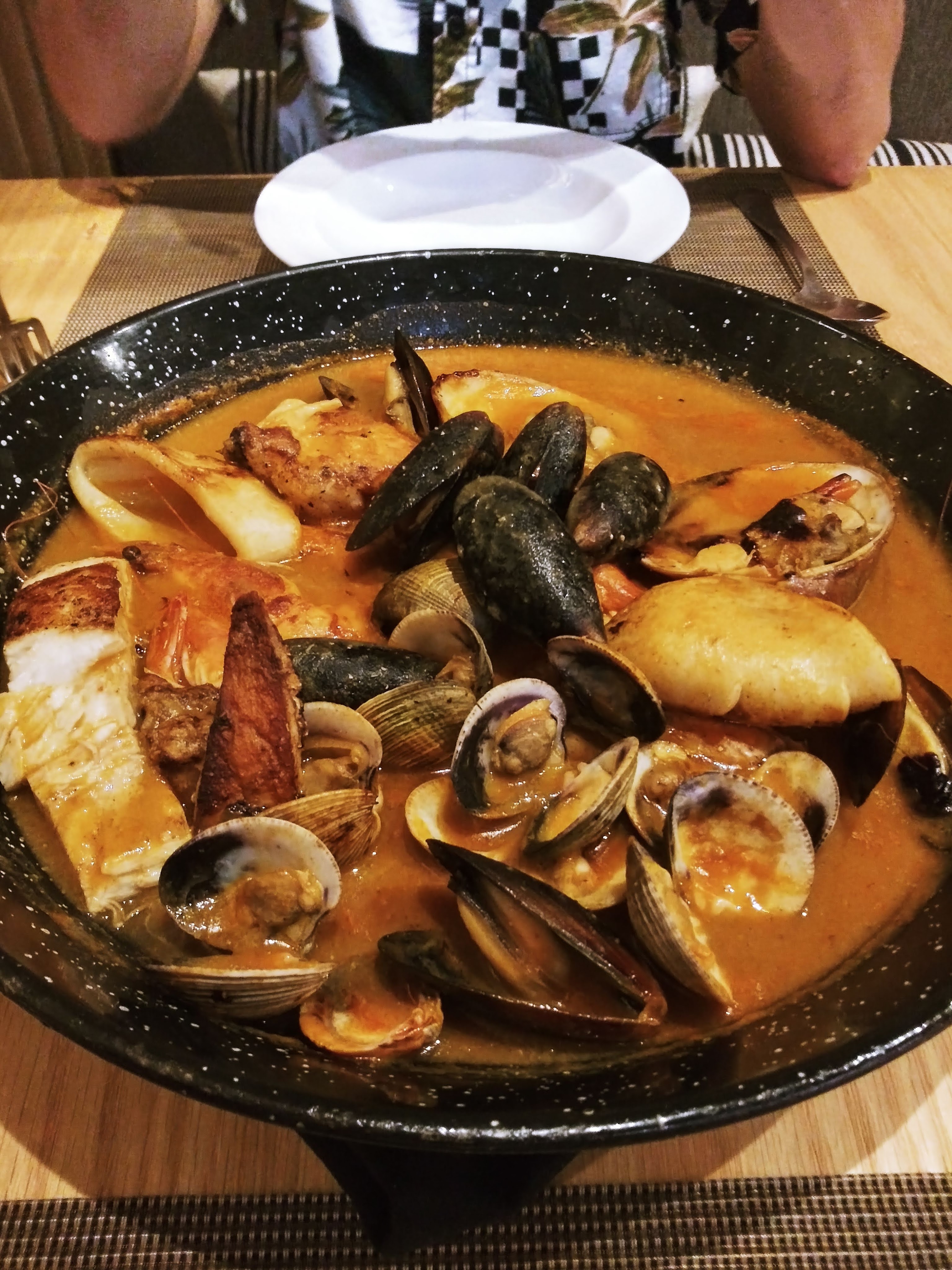
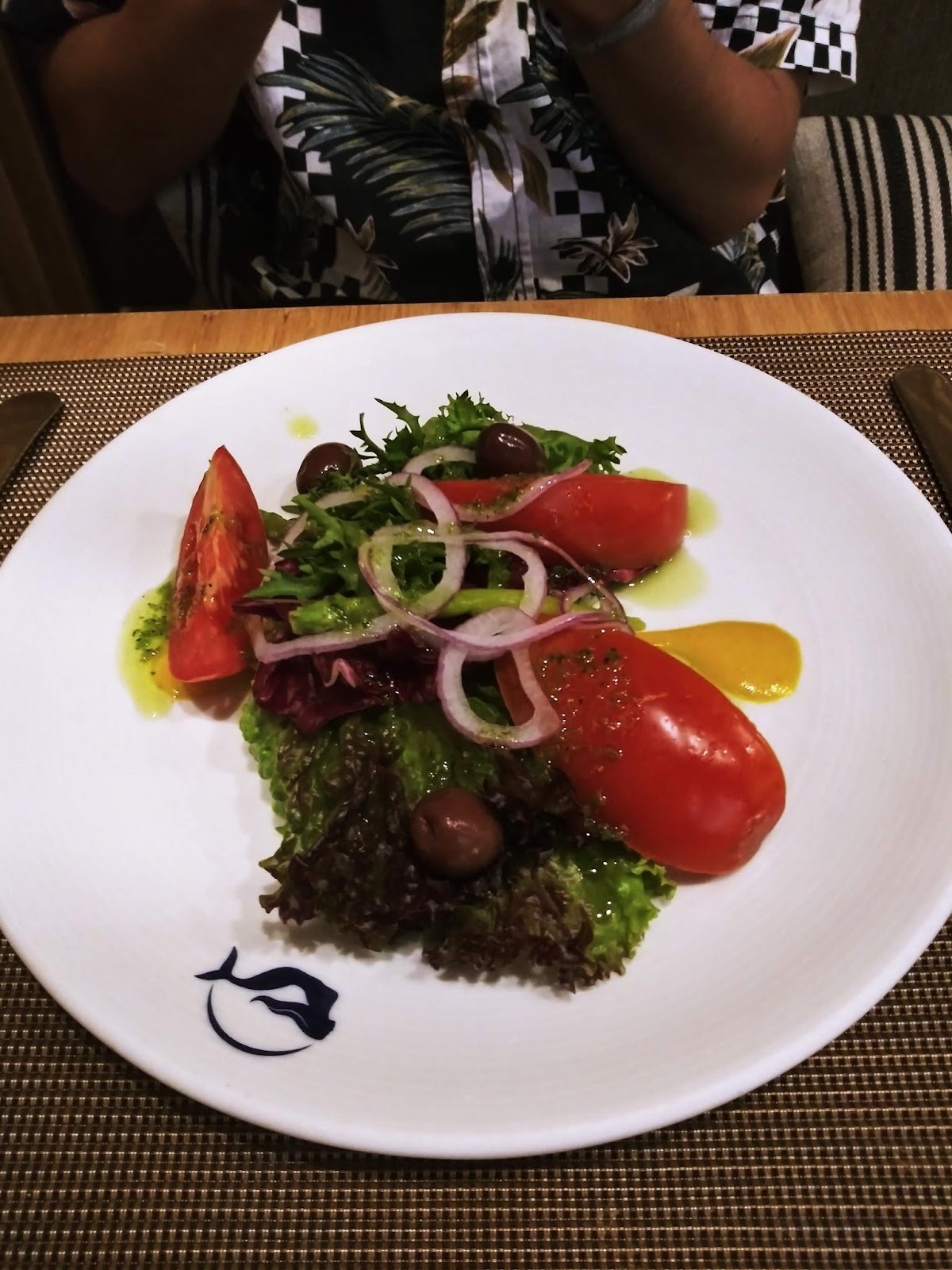
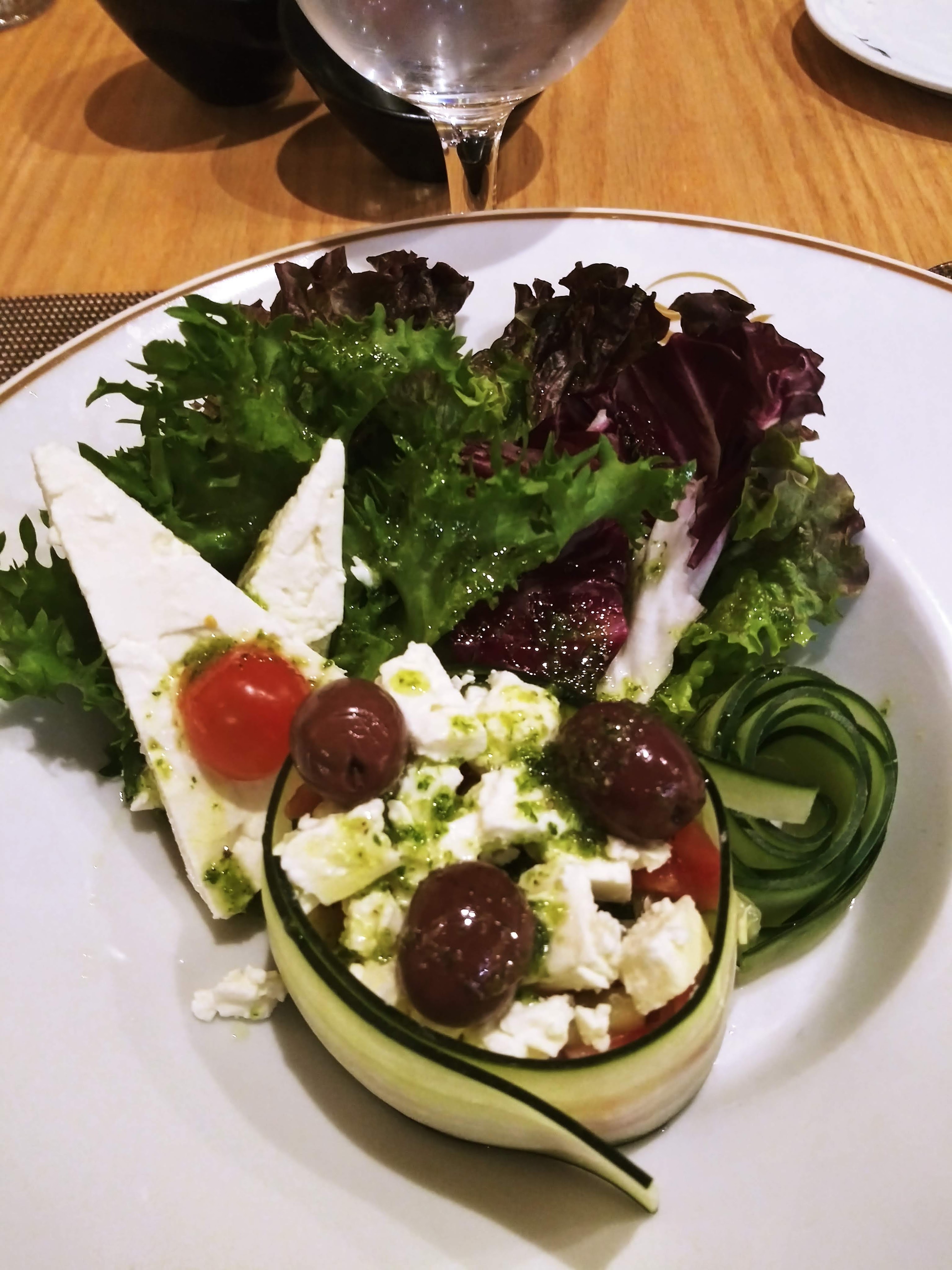
As far as a beach vacation is concerned the resort was very good for that. Unfortunately, the resort is not the best when it comes to food. The buffets were extensive, but the food was not kept up to health standards as far as I can tell as it wasn’t hot when it was supposed to be. The resort advertises a variety of restaurants, but access is limited to them all. We got there only to find that they were all booked during our stay except at 9:00 PM for two of them. So we grudgingly booked late-night meals at the Mediterranean and Thai restaurants. They also have Japanese, Mexican, and French restaurants. You only get to choose two a week though. The other nights you must eat at one of the buffets. This was a real disappointment but even more disappointing was the food itself, good but not great. It looks good though, lol.

There are various bars around the resort. They had live entertainment at the Sky Bar above the restaurants, which was fun. The other bars are around the beach including one next to the beach with a small restaurant next to it. They had hamburgers, tacos, hotdogs, and a variety of snack and lunch foods. It was actually pretty good. 

The entertainment and activities were pretty lame. The shows consisted of lip-syncing and dancing to music. The circus was the best with contortionists and acrobats. We didn’t find many organized activities for adults and information about these and the resort, in general, was very difficult to find. 

A five-star resort shouldn’t have mediocre food and they definitely need to do something about the reservations and restaurant availability; however, we still had a fun vacation thanks to the pools and the beach.

If you travel outside of the country as we did, be sure to have all your vaccinations against Covid, especially for returning to the US. You need to get tested on the day before you leave to return home.

While we were in México, we visited the Mayan ruins of Coba. It was a highlight of the trip. I’ll be posting about it soon. In the meantime, stay safe and happy travels.

Mislabled Plants

As some of my plants grew this past year, I discovered several weren’t what I thought I bought and were mislabeled. I don’t remember this ever happening before and it strikes me odd that I had so many.

When you buy a small plant, it can take a year or more for it to grow and finally flower. Last year, I ordered a couple of yellow-flowered trumpet vines from Burgess Seed & Plant Co. This year they finally bloomed and to my disappointment, they turned out to be the regular orange-flowered vines. I dug them up and gave them to some friends who are using them to cover a wall. In the meantime, I am dealing with trying to get a refund or replacements from Burgess but they want a copy of my credit card purchase or packing list (who keeps a packing list from a plant order for a year?). 

Last year I bought a Thai giant elephant ear from Gurney’s. It grew enormous over the summer. When my other elephant ears started to come out in the early spring, I figured it was time to start watering it too. I checked and it had survived the winter and looked like it was about to sprout new growth. Unfortunately, it was still too cold and I wound up overwatering it that caused it to rot. I really liked the plant so I decided to order another one this year, again from Gurney’s. I was a little suspicious that it was labeled as a white elephant ear. I’ve never heard of a white one, but I hoped it was another name for a Thai giant elephant ear. It isn’t. When the leaves emerged, I knew right away it wasn’t. That said, I actually like the new plant even if I’m not sure what it is. 

This past winter I bought and planted some Chilean wine palm seeds I bought online. This is perhaps the most winter hardy feather palm and very hard to find in cultivation. I was excited when the seeds germinated but soon thought something didn’t look right. As they grew, the leaves looked too wide for a palm. By spring, I knew they weren’t palms and looked more like cannas. I planted them out and they are indeed a species type canna. I like the red flowers and so do the hummingbirds, but I am very disappointed that I still don’t have a Chilean wine palm. 

I actually did buy a couple of cannas this year at Osuna Nursery here in Albuquerque. They were prepackaged and labeled as Canna Cleopatra. This is a canna that is grown not only for its flowers but also for its foliage which has dark maroon stripes even up to half of the leaf. When my tubers emerged and the leaves began to grow, once more, I suspected that I had the wrong plant. While Canna Cleopatra can have all green leaves, these are usually selected out for the variegated foliage. I was disappointed but figured I would enjoy the beautiful bi-colored red and yellow flowers; however, that wasn’t to be either. Again, they are a species type of canna but they have orange flowers. At least, they are a different color. I was also very lucky to get some free bulbs at another local nursery giving away end-of-the-season bulbs that turned out to be Canna Cleopatra.

Species Canna (Canna indica?)

Lastly, I bought an elephant ear bulb at Osuna Nursery that was labeled as Colocasia Hilo Beauty. Hilo Beauty has green leaves mottled with white. This elephant ear, however, has dark, almost black leaves. I don’t know what variety it is but I really like it so I am not at all disappointed. I am concerned, though, that I didn’t get what I paid for once again. 

I don’t know if this is happening more frequently or why. It seems that the nurseries and sellers need to be careful about their labeling. With the exception of the trumpet vines, I’m okay with everything else but fear this may become a real problem. 

Let me know in the comments if you had this happen as well. I’m curious to see if others are having this problem.